RECONSIDERING THE CASE OF NEHA V. VIBHOR GARG

By Aayushi Swaroop Introduction In Neha v. Vibhor Garg, a divorce petition was filed pursuant to which the husband produced the telephonic conversation of the wife to establish the case of cruelty by the wife. To this, the High Court stated that the same is an infringement of the right to privacy of the wife … Continue reading RECONSIDERING THE CASE OF NEHA V. VIBHOR GARG
TRANS RIGHTS AGAINST SEXUAL OFFENCES IN INDIA: IS PROTECTION FROM RAPE STILL A FAR CRY?

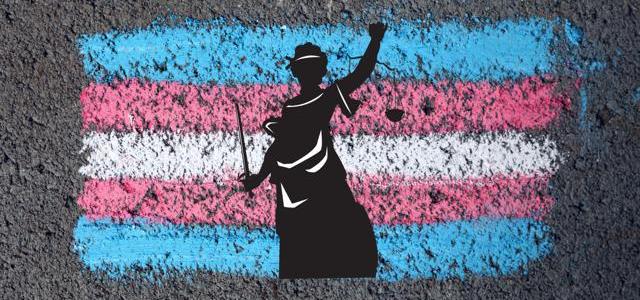
By: Aprajita Tyagi Though the existence and acceptance of transgender persons have long been recorded in ancient Indian texts, the recognition of their legal rights is a recent occurrence in the country. It was only in 2019 that the Indian Parliament enacted the nation’s first legislation, namely the Transgender Persons (Protection of Rights) Act, 2019 … Continue reading TRANS RIGHTS AGAINST SEXUAL OFFENCES IN INDIA: IS PROTECTION FROM RAPE STILL A FAR CRY?

Zero FIR: purview, analysis and propositions

By: Ridhi Aggarwal and Vedant Bisht Although the term First Information Report (“FIR”) hasn’t been explicitly mentioned in the Code of Criminal Procedure, 1973 ("CrPC”), S.154 of CrPC provides for the process of registering the information relating to the commission of a cognizable offence. The concept of Zero FIR eliminates the barriers of territorial jurisdiction … Continue reading Zero FIR: purview, analysis and propositions

Stand-Up Comics & The Imbroglio of Criminal Complaints

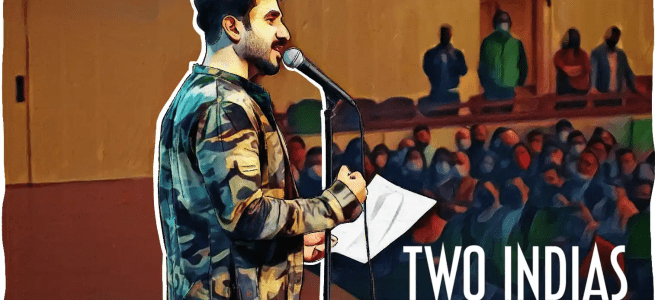
By Arundhati Rajput Introduction Vir Das, an Indian Stand-up comic, has yet again become the center of vehement criticism as his monologue: ‘The Story of Two Indias’, has stirred opposing sentiments. In this monologue, the comic portrayed India in a sagacious manner having an undertone of satire. However, several lawyers and political leaders felt that … Continue reading Stand-Up Comics & The Imbroglio of Criminal Complaints

The crime of possessing or viewing child pornography: Cannot always agree on who is harmed?

By: Martin Kwan John Stuart Mill’s harm principle is one of the most common justifications for the criminalization of a certain conduct. In simple terms, the principle provides that acts that cause harm to others should be criminalized. Naturally, the aim of the offences involving child pornography would be to prevent harm to children – … Continue reading The crime of possessing or viewing child pornography: Cannot always agree on who is harmed?

Why we need to strengthen Child Welfare Committees

By: Ann Sarasa K R India’s devastating second wave has wreaked havoc on lakhs of people across the country, and the statistics are disheartening. In an affidavit submitted to the Supreme Court, the National Commission for Protection of Child Rights (NCPCR) showed that over 30,000 children lost either one or both parents or were abandoned … Continue reading Why we need to strengthen Child Welfare Committees

TAKING BACK JUSTICE: A CRITICAL APPRAISAL OF SECTION 321 OF THE CRIMINAL PROCEDURE CODE

By: Milind Malhar Sharma INTRODUCTION Public Prosecutors play important roles like representing the state and are charged with proving the guilt of the accused in the criminal justice system.. This points us towards an interesting set of questions – should public prosecutors be allowed to withdraw criminal cases from prosecution leading to potential criminals not … Continue reading TAKING BACK JUSTICE: A CRITICAL APPRAISAL OF SECTION 321 OF THE CRIMINAL PROCEDURE CODE